
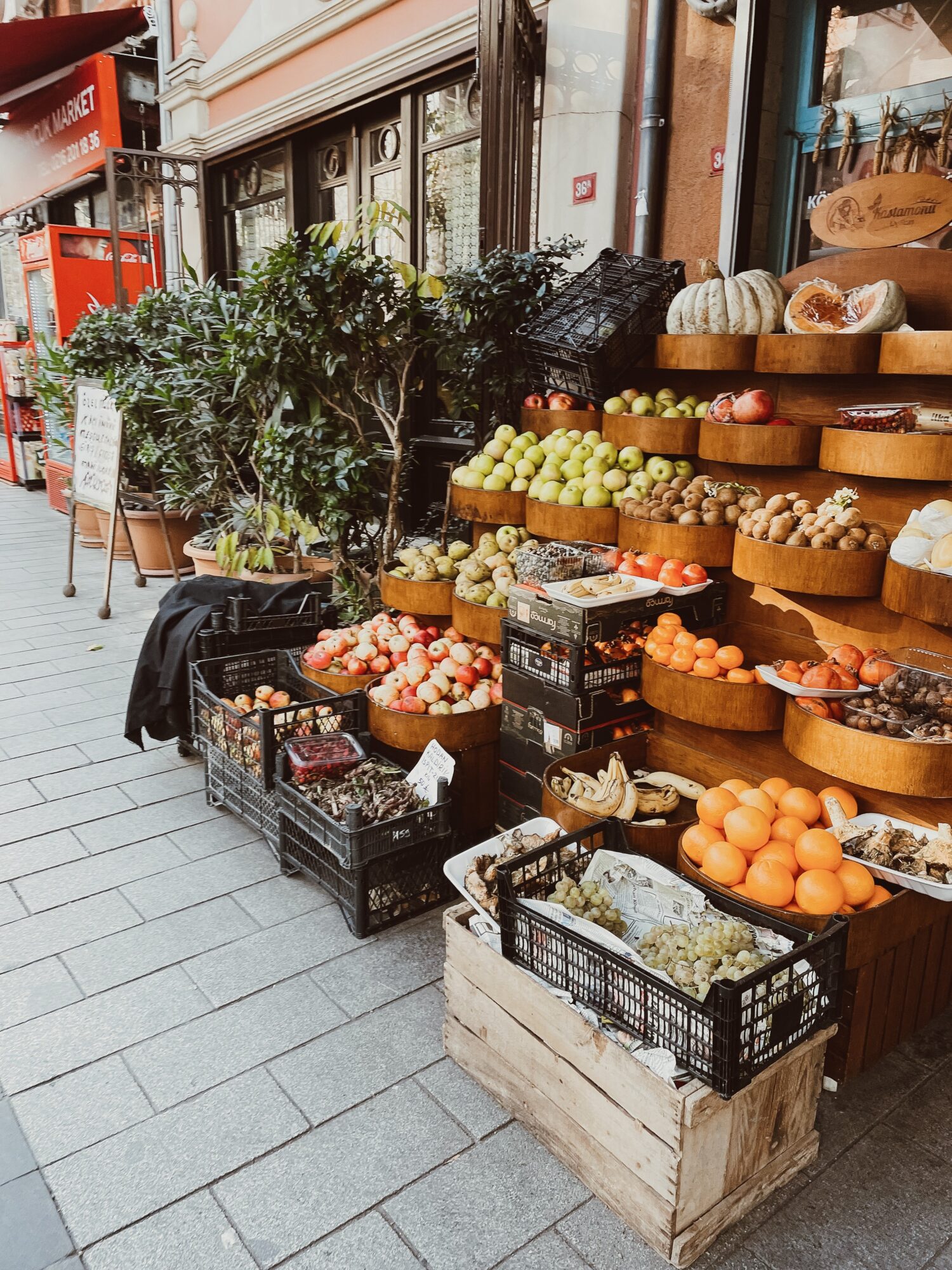
Fibermaxxing is the viral gut health trend changing how we eat for energy and digestion—here’s everything you need to know.
October 28, 2026 | The Unscripted Femme
If you’ve been scrolling through social media lately, you’ve likely noticed a major shift in how we talk about gut health. While the conversation used to center almost entirely around probiotic supplements or trendy functional drinks, the focus has pivoted back to basics—specifically, plant fiber.
Enter “fibermaxxing”: the viral trend of intentionally boosting your daily plant fiber intake to support digestion, steady energy, immunity, and overall well-being. But as with any wellness trend that takes off online, it’s worth stepping back to ask: What does this actually mean for your body, and how do you do it safely without causing major digestive chaos?
Here is your complete guide to fibermaxxing—from the science of the gut-brain axis to a practical food cheat sheet you can start using today.
In This Article
What Is “Fibermaxxing”?
At its core, fibermaxxing is simply the deliberate focus on eating a wider, richer variety of fiber-dense plant foods. Instead of restricting food groups or counting calories, the trend encourages adding more whole foods to your plate—think legumes, seeds, whole grains, berries, and leafy greens.
Rather than just hitting a single daily number, health experts emphasize microbiome diversity. Research published in mSystems by the American Society for Microbiology on the American Gut Project suggests that aiming for roughly 30 different plant foods per week (including nuts, seeds, herbs, spices, vegetables, and grains) helps nourish a more resilient gut ecosystem.
1. Safety & Digestion: Can You Eat Too Much Fiber Too Fast?
While adding more fiber to your diet is generally fantastic for long-term health, diving in headfirst can lead to uncomfortable side effects if you aren’t careful.
Why Bloating and Gas Happen: When you suddenly jump from a low-fiber diet to a high-fiber one, your gut bacteria begin fermenting those unabsorbed carbohydrates faster than your digestive tract can comfortably manage. The result? Temporary gas, bloating, and abdominal tightness, as noted in guidelines on dietary fiber from the Mayo Clinic.
The Critical Role of Water: Fiber works like a sponge. Soluble fiber absorbs water to form a gentle gel, while insoluble fiber needs fluids to sweep smoothly through your system. If you dramatically increase fiber without significantly increasing your fluid intake, you risk constipation and sluggish digestion.
Finding the Sweet Spot: According to the Dietary Guidelines for Americans, most health organizations recommend roughly 25 to 38 grams of fiber per day for adults. While extreme social media challenges sometimes push for 50 to 100+ grams daily, excessive amounts can lead to stomach distress and may even interfere with the body’s absorption of essential minerals like iron, zinc, and calcium.
2. Practical Application: How to “Fibermaxx” Comfortably
If you want to reap the benefits of a fiber-rich lifestyle without the uncomfortable adjustment period, follow these foundational steps:
Go “Low and Slow”
Gradually increase your fiber over three to four weeks. Start by upgrading just one meal a day—like adding a tablespoon of ground flaxseed to your morning oatmeal—before moving on to high-fiber lunches or dinners.
Balance Soluble and Insoluble Types
Aim for a natural balance of both fiber types throughout your day:
- Soluble Fiber: Found in oats, barley, chia seeds, apples, and beans. As detailed by the Harvard T.H. Chan School of Public Health, it absorbs water, forming a gel-like substance that supports steady blood sugar levels and healthy cholesterol.
- Insoluble Fiber: Found in whole grains, root vegetables, nuts, and fruit skins. It adds bulk to stool and helps keep transit time regular.
Prioritise Whole Foods Over Supplements
While supplements like psyllium husk can be helpful for filling occasional gaps, real plant foods offer far more value. Whole plants provide a complex matrix of micronutrients, antioxidants, and polyphenols that work together to nourish your body.
3. Microbiome & Health: The Gut-Brain Connection
Why is everyone so obsessed with fiber for energy and mood? It all comes down to the gut-brain axis—the two-way communication line between your central nervous system and your gastrointestinal tract, detailed extensively in medical research on PubMed Central.
When gut microbes ferment prebiotic fibers, they produce compounds known as short-chain fatty acids (SCFAs), such as butyrate, acetate, and propionate. According to reviews in Nature Reviews Gastroenterology & Hepatology, these SCFAs play an active role in:
- Maintaining a strong gut lining.
- Supporting healthy immune function and managing systemic inflammation.
- Influencing the production of neurotransmitters that regulate mood, sleep, and mental clarity.
By feeding your gut bacteria a rich variety of plant fibers, you are directly supporting the biological pathways that help you feel clear-headed, grounded, and energized throughout the day.
4. Suitability: Is Fibermaxxing Right for Everyone?
Nutrition is never one-size-fits-all. While high-fiber eating works wonderfully for many, individuals with active GI conditions—such as IBS (Irritable Bowel Syndrome), SIBO (Small Intestinal Bacterial Overgrowth), or IBD flares—may find that rapid increases in complex fibers trigger significant pain or flare-ups.
If you have a sensitive stomach or an underlying digestive condition, guidance from the Monash University FODMAP Program recommends working alongside a registered dietitian or healthcare provider to introduce gentle, low-FODMAP fiber sources at a pace tailored to your system.
Fibermaxxing Food Cheat Sheet
Looking to build plant diversity into your routine? Use this simple reference guide to mix and match rich fiber sources throughout the week, using data from the USDA FoodData Central:
| Category | High-Fiber Stars | Easy Ways to Enjoy |
| Seeds & Nuts | Chia seeds, ground flaxseeds, pumpkin seeds, walnuts | Sprinkle over morning oats, yogurt bowls, or roasted vegetables. |
| Legumes | Lentils, chickpeas, black beans, edamame | Toss into leafy salads, simmer in evening soups, or mash into quick dips. |
| Whole Grains | Rolled oats, quinoa, farro, wild rice | Use as grain bases for meal prep bowls or wholesome side dishes. |
| Vegetables | Brussels sprouts, broccoli, artichokes, sweet potatoes | Roast with olive oil and sea salt, or blend into cozy vegetable soups. |
| Fruits & Berries | Raspberries, blackberries, pears, apples (with skin) | Pair with a handful of almonds for an easy afternoon snack. |
Fibermaxxing doesn’t need to be about extreme daily totals or restrictive rules. At its best, it’s simply a gentle, encouraging reminder to celebrate whole, plant-rich foods that make your body feel nourished from the inside out.
By taking a gradual approach, drinking plenty of water, and focusing on a colourful variety of plants, you can support your gut health and long-term vitality in a completely sustainable way.
Have you been focusing on adding more plant diversity to your routine lately? What’s your favorite go-to way to add extra fiber to your morning?
Disclaimer: The content provided on The Unscripted Femme is for informational and educational purposes only and is not intended as medical advice. Always consult with a qualified healthcare professional before making any significant changes to your diet, health regimen, or wellness routine. Please use your own discretion to determine what works best for your body.
Cover photo by Tuğba Kobal Yılmaz | Pexels.
Discover more from The Unscripted Femme
Subscribe to get the latest posts sent to your email.