
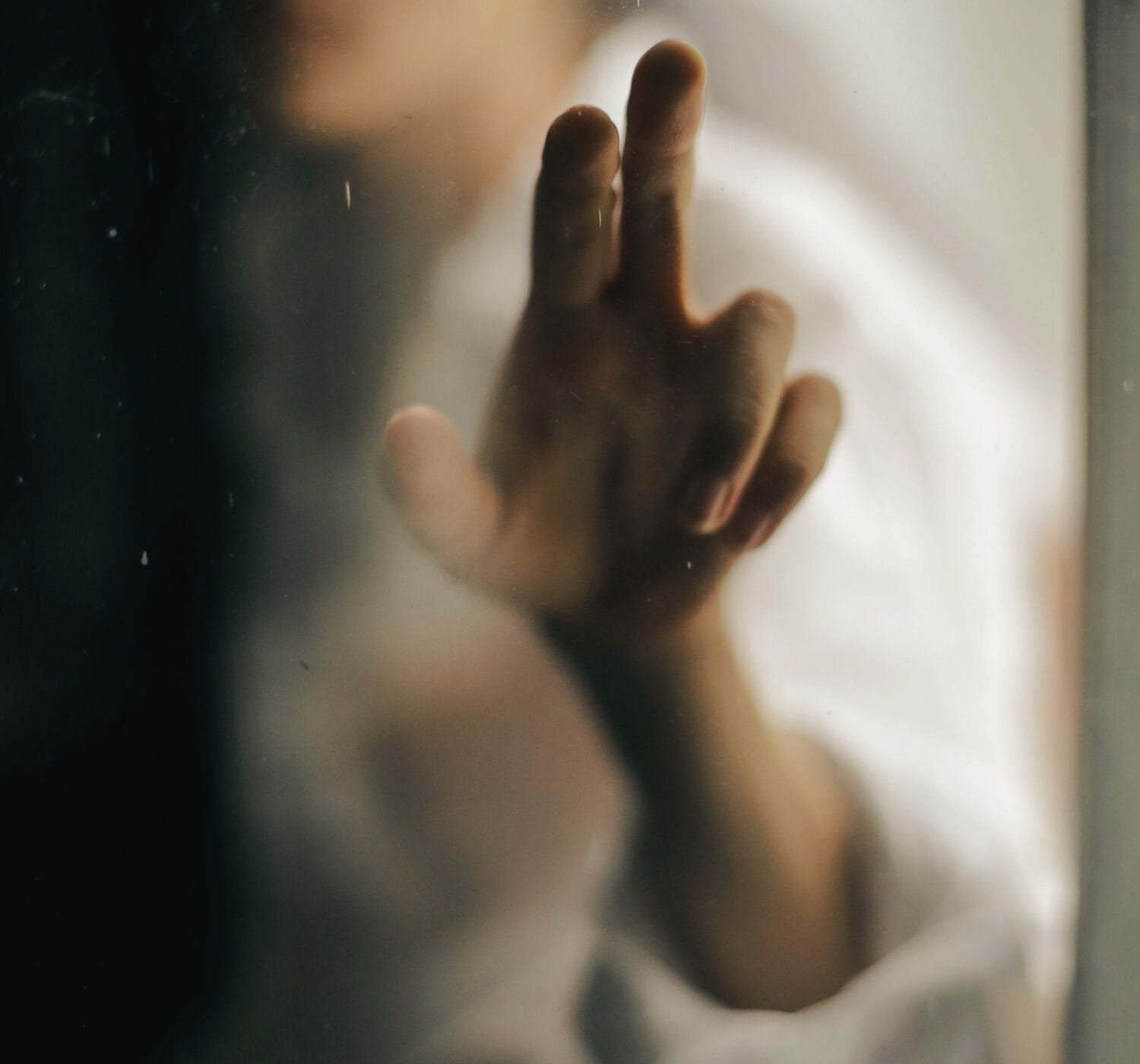
A personal reflection on the quiet, often unseen realities of living with chronic pain—the emotional weight, the daily adjustments, and the parts of life that don’t usually get talked about.
March 20, 2026 | The Unscripted Femme
Living with chronic pain changes your daily life in ways most people don’t see—especially with an invisible illness.
Some days it’s a low hum in the background — annoying, but manageable. Other days it feels like your body quietly shutting down plans you were actually excited about. You cancel at 4:12pm. You lie back down. You tell yourself you’ll try again tomorrow.
I’ve been living with chronic pain since 2014. For a long time, I thought if I just pushed harder, rested less, stayed more positive — it would go away.
It didn’t.
According to the Centers for Disease Control and Prevention millions of adults live with chronic pain, making it one of the leading causes of long-term disability. But statistics don’t tell you what it feels like on a random Tuesday when your body decides it’s done before you are.
So this is the part people don’t talk about.
In This Article
1. Pain Changes Your Personality
How living with chronic pain quietly shifts your mood, energy, and habits
Chronic pain doesn’t just affect your body. It affects your nervous system — which affects everything.
You may become quieter. More cautious. Less spontaneous.
I used to say yes to everything. Now I check my energy first.
Research in psychology shows that persistent pain can affect mood, patience, and emotional regulation. Your nervous system stays on high alert, and the brain keeps sending pain signals over and over, making it harder to regulate emotions. (source)
You’re not “becoming difficult.” You’re adapting to survive.
Related: Chronic pain changes your personality—just not in the ways people expect.

2. You Can Grieve a Life You’re Still Living
Missing past versions of yourself is normal
One of the hardest chronic pain realities is grieving who you used to be — even while your life still looks “fine” from the outside.
You might miss:
- The version of you who had endless stamina
- The body that didn’t need calculating
- The spontaneity
That grief is real.
Psychologists often call this “ambiguous loss” — a loss without a clear event.
3. Rest Is Not the Opposite of Productivity
Why slowing down isn’t laziness when you live with chronic illness
Living with chronic pain teaches you quickly that pushing through always comes with a price.
There were years I thought strength meant ignoring the pain. It didn’t. It meant flare-ups that lasted weeks.
Research on chronic illness management shows pacing — intentionally alternating activity and rest — can reduces flare severity over time.
Rest isn’t weakness. It’s a strategy.

I talk more about this in my realistic morning routine.
4. Other People’s Discomfort Can Pressure You to Minimize Your Pain
Why honesty feels uncomfortable
People will say:
“Stay positive.”
“At least it’s not worse.”
“You look fine.”
They aren’t trying to hurt you. Pain just makes people uncomfortable.
When you’re living with chronic pain, you often end up managing other people’s feelings about your condition.
Being honest about your pain isn’t complaining. It’s reality.
5. You Become an Expert in Your Body Before Doctors Do
When tests don’t tell the full story
Many chronic pain conditions don’t show up clearly on scans.
So you start tracking:
- Sleep
- Stress
- Food
- Weather
- Hormonal shifts
You become deeply attuned.
That self-trust and awareness becomes survival.
6. Chronic Pain Flare-Ups Don’t Mean You’re Going Backwards
Progress isn’t linear
You can feel stable for months — and then suddenly not.
Healing isn’t a straight line — it moves in cycles, and that doesn’t mean you’ve lost your progress. In fact, research shows flare-ups are part of neurological sensitization patterns — not a sign of failure.
7. You May Feel Guilty for Needing Help — Even When You Shouldn’t
Support is not weakness
Many people living with chronic pain struggle with guilt.
Guilt for canceling.
Guilt for resting.
Guilt for asking for help.
I’ve felt this one deeply.
Especially in a time when productivity and pushing through are constantly praised, needing something different can feel like failure.
But it isn’t.
Learning to work with your body instead of against it takes more strength than ignoring it ever did.
Related: In my post on Daily Affirmations for Focus and Productivity, I talk about how productivity isn’t about doing more—it’s about protecting your energy.

8. Chronic Pain Affects Your Identity, Not Just Your Body
Rebuilding who you are
Pain can quietly shift how you see yourself.
- The reliable one
- The strong one
- The one who always showed up.
Now you’re redefining success.
9. Hope Doesn’t Always Look Like Optimism
Sometimes hope is small
Hope doesn’t always look like positivity.
Sometimes it looks like:
- “I made it through today.”
- “I adjusted.”
- “I listened to my body.”
10. You Don’t Need to Turn Your Pain Into a Lesson to Justify It
You don’t owe anyone meaning
There’s pressure to turn every struggle into something inspiring.
But chronic pain doesn’t need a purpose.
It’s enough that you’re navigating it.
Your pain doesn’t need a purpose to be valid.
On the Hard Days, This Helps Me
- Letting “good enough” be enough
- Resting before I crash, not after
- Tracking patterns instead of blaming myself
- Speaking to myself more gently
You’re not weak.
You’re just adapting.
And that is strength — even when it’s quiet.
Related: A comforting collection of 23 inspirational quotes for chronic pain from well-known authors to help you feel seen, supported, and understood on hard days. 🤍
References
Cover photo by cottonbro studio on Pexels.
Discover more from The Unscripted Femme
Subscribe to get the latest posts sent to your email.