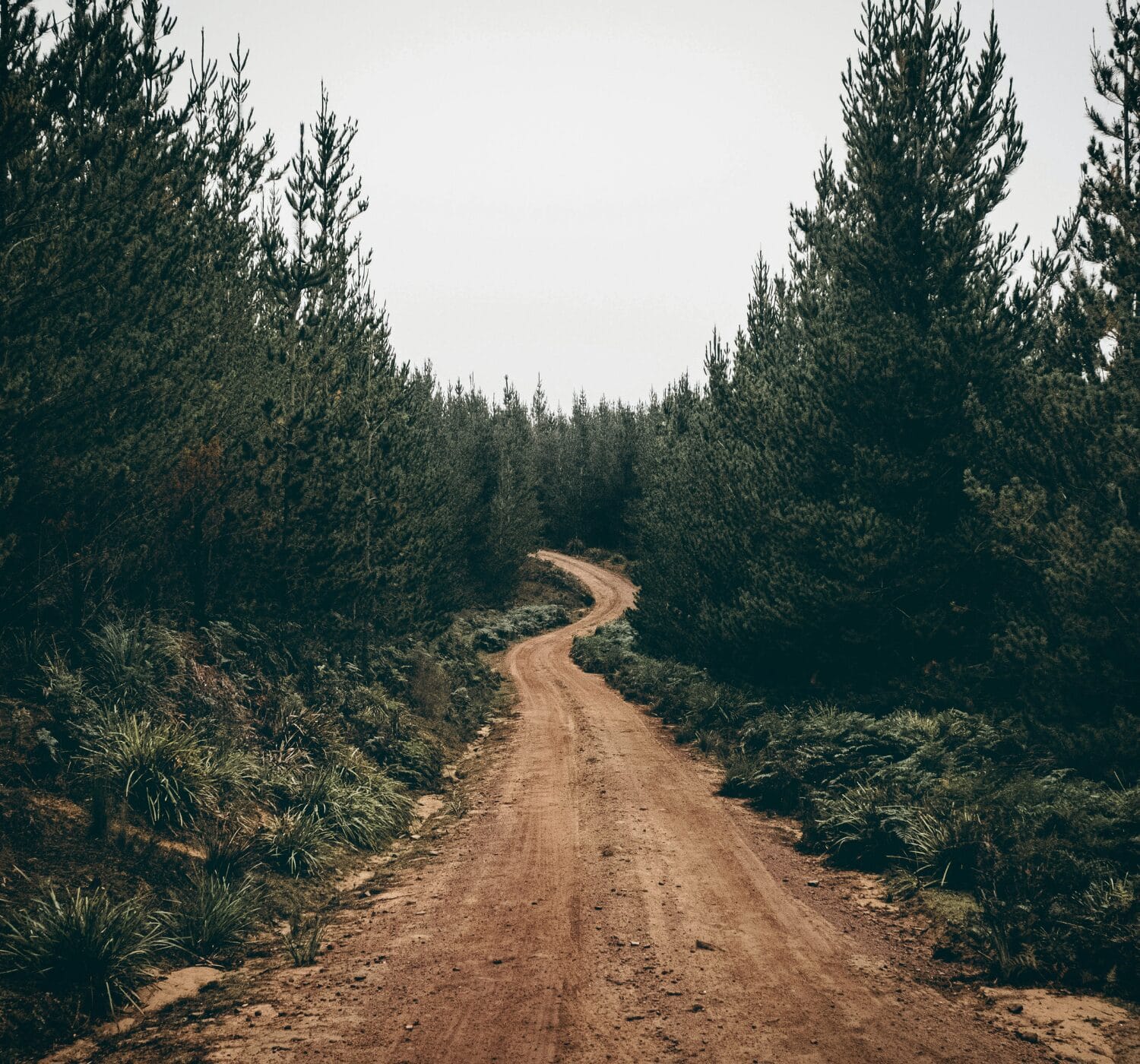
Why Slow Living Makes You Anxious
And How to Make It Peaceful Again
April 13, 2025

Slow living sounds dreamy—morning coffee rituals, mindful walks, journaling, cozy nights in. Calm, intentional, restorative… right?
But for many of us, it doesn’t always feel relaxing. In fact, slowing down can feel terrifying. Pressure, guilt, restlessness—even anxiety—can sneak in when you try to embrace a slower pace.
If that’s you, you’re not alone. Here’s why slow living sometimes triggers stress—and how to practice it in a way that actually brings peace.
IN THIS ARTICLE

Why Slow Living Makes You Anxious
Even if you want rest, slowing down can trigger fear, guilt, and resistance. Here’s what’s happening:
1. People Expect So Much From You
Choosing rest can feel selfish. Friends, family, bosses—even past-you—might seem disappointed.
Truth: protecting your peace isn’t selfish. Rest isn’t lazy.
Save this for the days you feel guilty for taking a break.
2. Fear of Falling Behind
In a culture obsessed with productivity, slowing down feels like failure.
But moving with intention doesn’t mean stopping. Slowness gives you space to reset, refocus, and reconnect with what matters most.
3. Feeling Pressure to Do Slow Living “Right”
Social media shows picture-perfect mornings. When your reality doesn’t match, guilt and anxiety sneak in. Mindfulness can even feel like a performance, rather than a relief.
Remember: slow living is about choice, not perfection.
4. Anxiety About Wasting Time
Our brains are wired to value productivity. A quiet moment can feel like a “lost opportunity,” leaving you restless or distracted.
Tip: mix rest with small, intentional actions. Even five minutes of breathing, journaling, or a short walk counts.
5. Slowing Down Makes You “Feel” Everything
Busyness hides emotions—stress, grief, loneliness, regret. When you pause, these feelings surface.
It’s normal. Confronting them is healing.
6. Identity Tied to Hustle
If your worth feels tied to productivity, rest can feel like losing yourself. But underneath the to-do lists is a version of you who is worthy, creative, and whole.
7. Perfectionism Thrives in the Fast Lane
Hustle masks flaws. Slow living exposes them.
But vulnerability isn’t failure. Slowing down helps you embrace progress over perfection.
Signs Slow Living is Making You Anxious
- Constantly checking the clock while “relaxing”
- Feeling guilty for doing nothing
- Comparing your slow living to others on social media
- Feeling restless despite “intentional” routines
If you notice these signs, it’s time to adjust your approach.
How to Practice Slow Living Without Anxiety
1. Make “Slow” Work for You
You don’t need an elaborate ritual. Even five quiet minutes with your coffee, a short walk, or a few deep breaths counts as slow living.
2. Step Back from Social Media
Scrolling through picture-perfect mornings can make you feel like you’re doing it wrong. Look for inspiration, not pressure.
3. Blend Rest with Little Wins
If you feel restless, add a small, simple task—like making your bed or watering plants. It keeps your mind calm while still honoring slow living.
4. Give Yourself Permission to Be Imperfect
Slow living isn’t a performance. It’s your choice. Imperfect mornings, messy routines, and tiny pauses are all part of the process.
Slow living is meant to bring peace, not stress. Feeling anxious while slowing down is normal. Research shows intentional, mindful slow-living practices significantly reduce stress and anxiety over time.
Save this post if you’ve ever felt anxious trying to slow down—you’re not alone, and it’s okay to find your own pace.
Slowing down challenges what we’ve been taught to value: speed, productivity, and control. But it opens the door to what we truly need: rest, presence, alignment, joy. Peace.
You don’t need to earn rest. You’re allowed to choose it—before everything is finished.

References
cover photo by Micah Boerma on Pexels.
Discover more from The Unscripted Femme
Subscribe to get the latest posts sent to your email.