
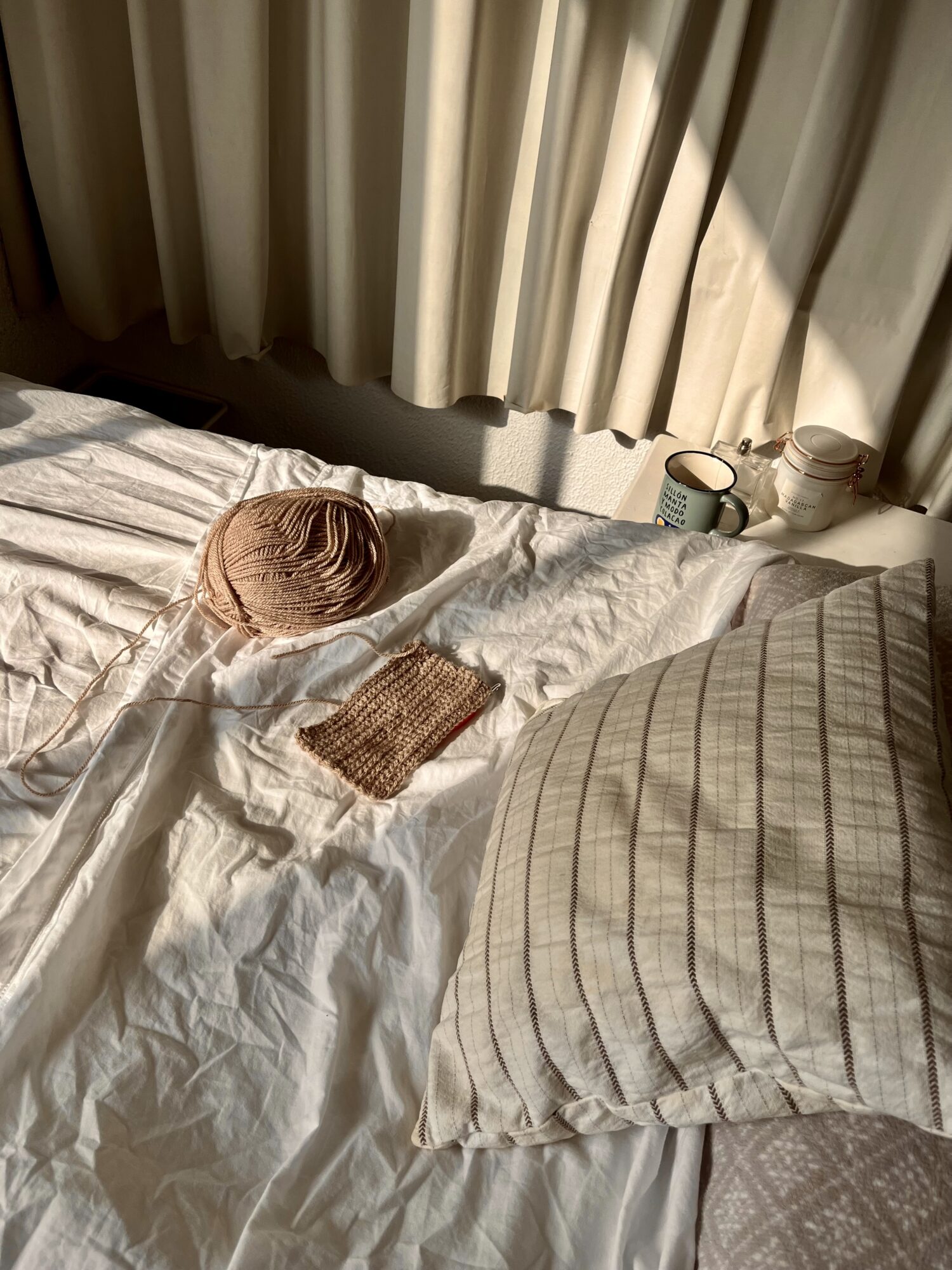
Naturally boost your deep sleep and overall recovery—here is the latest on how to elevate your nightly rest through simple, science-backed habits.
November 6, 2026 | The Unscripted Femme
We’ve all had those mornings. You go to bed early, do all the “right” things, and clock a solid eight hours on paper. Yet, you still wake up feeling like you’re moving through wet cement, reaching for coffee before your eyes are even fully open. You glance down at your tracker—whether it’s an Oura ring, Apple Watch, or WHOOP—only to confirm what your body already knows: a surprisingly low deep sleep or recovery score.
It can feel so frustrating when you feel like you’re resting, but your body isn’t actually resetting. Deep sleep is where the true magic happens. It’s that sacred, slow-wave window of the night when your physical body undergoes heavy maintenance—muscles repair, tissues rebuild, growth hormones peak, and your brain activates its glymphatic system to quietly sweep away metabolic waste.
If you’re ready to move away from waking up tired and naturally anchor more restorative sleep, here is a breakdown of what is actually happening behind the scenes, along with gentle, daily rhythms to help you wake up feeling genuinely renewed.
In This Article: How to Naturally Boost Your Deep Sleep & Recovery Scores
Why Is My Deep Sleep Score Low, Even When I Sleep 8 Hours?
It is entirely possible to spend a full eight hours in bed and still miss out on true, restorative rest. Total sleep duration and deep sleep are two entirely different things. When your night is fragmented by subtle micro-arousals, late-night digestion, or lingering stress hormones, your nervous system stays just elevated enough to keep your brain from settling into slow-wave sleep.
The earliest sleep cycles of the night are naturally heavily weighted toward deep sleep. If anything disrupts your ability to transition smoothly during this crucial early window, your overall deep sleep duration drops significantly. As health experts outline in guides on how to achieve deep, restorative sleep, protecting those first few hours of slumber is vital for cellular regeneration and physical recovery.
Simple, Everyday Rhythms to Invite Deeper Rest
Moving your recovery scores doesn’t require anything complex. Instead, the most meaningful changes come from small, foundational habits that work alongside your natural biology:
Anchor a consistent sleep schedule: Going to bed and waking up around the exact same time every day—yes, even on cozy weekend mornings—trains your internal clock to anticipate rest. Research highlighted by Mattress Miracle’s deep sleep guide shows that timing consistency is one of the highest-leverage adjustments you can make for sleep quality.
Prioritise morning light: Stepping outside for 10 to 30 minutes of natural light shortly after waking helps suppress morning melatonin, regulates your master clock, and sets up a healthy, natural release of melatonin later in the evening.
Move your body earlier in the day: Regular movement—whether it’s a morning strength session or a gentle afternoon walk—significantly increases slow-wave sleep over time. Just aim to wrap up high-energy workouts a few hours before bedtime so your core temperature and heart rate have time to drop.
How Evening Habits Shape Your Morning Recovery
What we nourish our bodies with in the hours leading up to bedtime plays a major role in our morning.
The alcohol illusion: While a glass of wine with dinner might feel relaxing and help you drift off, alcohol is a known disruptor of slow-wave sleep. As your body metabolizes it throughout the night, it triggers subtle micro-awakenings and degrades overall sleep quality. According to tracking insights from WHOOP-backed recovery tips, stepping away from late-night alcohol is one of the quickest ways to improve your restorative sleep stages.
Mindful caffeine boundaries: Because caffeine stays in our systems far longer than we realize, that late-afternoon matcha or espresso can linger and quietly impair sleep architecture. Establishing a cutoff time in the early afternoon keeps deep sleep intact.
Easing evening meals: Eating heavy or late dinners forces your digestive system to work overtime, keeping your core body temperature elevated when it naturally needs to cool down. Enjoying lighter evening meals a few hours before bed allows your system to transition smoothly into the kind of calm, low-stress evening explored in A Simple Night Routine for a Calmer End to the Day.
Creating an Environment Built for Sanctuary
Designing a peaceful, restorative sleep space actively signals to your nervous system that it is safe to completely unwind. Harvard Health highlights several core environmental principles in their secrets to a good night’s sleep, emphasizing temperature, light control, and overall physical comfort.
Cool down the room: Keeping your bedroom cool—around 15°C to 20°C (60°F to 68°F)—supports your body’s natural drop in core temperature, which is essential for initiating deep sleep.
Eliminate ambient light: Even minor light from charging devices or streetlights can filter through closed eyelids and keep your brain slightly alert. High-quality blackout curtains or a soft silk eye mask can make a world of difference.
Soothe sound disruptions: If background sounds tend to pull you out of deep sleep, using an ambient white noise machine or soft earplugs can preserve night-long continuity.
A Gentle Checklist for Restful Nights
- Morning: Step outside into natural sunlight within 30 minutes of waking.
- Afternoon: Transition away from caffeine by early afternoon.
- Evening: Keep dinner light and finish eating 3 hours before winding down.
- Night: Cool down your space and keep the bedroom completely dark and calm.
Improving your recovery scores isn’t about chasing perfection every single night. It’s simply about changing your habits to give your body the space and ease to do what it naturally knows what to do.
I’d love to hear—how do you like to wind down in the evenings? Have you tried any specific habits that made a noticeable difference in how rested you feel?
Cover photo by Irene García | DUPE.
Discover more from The Unscripted Femme
Subscribe to get the latest posts sent to your email.