Why Beauty Matters in Everyday Life
February 7, 2026

Beauty isn’t a luxury.
It’s not something reserved for special occasions, perfectly styled homes, or people with more time than the rest of us.
Beauty is how life speaks to us when we’re paying attention.

For a long time, I thought beauty was optional — something to enjoy after the important things were handled. Productivity first. Clean everything first. Earn rest. Earn softness. Earn joy.
But the older I get, the more I realize that beauty is not a reward.
It’s a form of care.
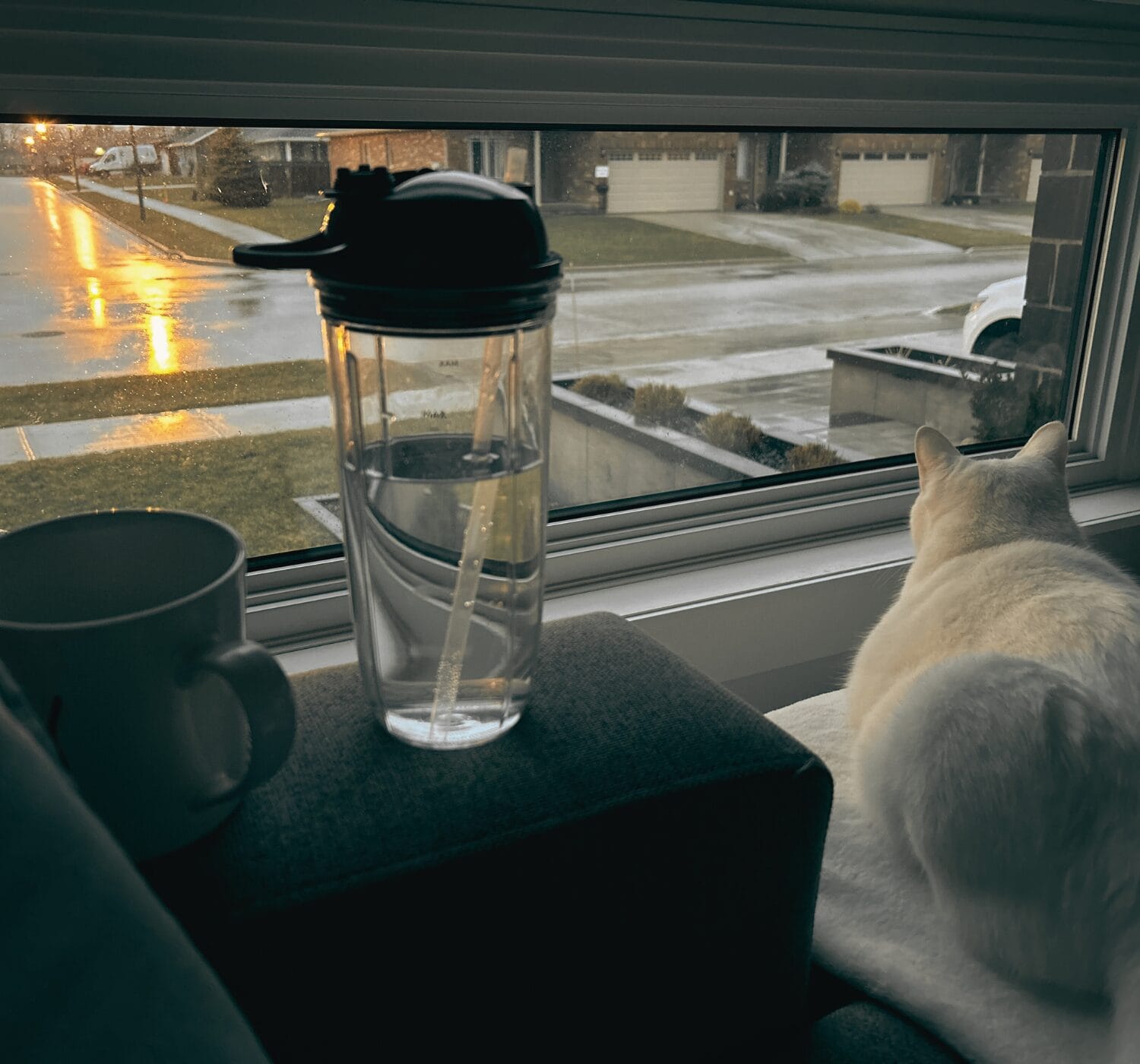
Beauty slows us down just enough to remind us that we’re here. A warm mug held in both hands. Light hitting the wall at 4 p.m with my cat sunbathing in it. A room that feels calm instead of impressive. These moments don’t fix our lives — but they make life feel livable.
And that matters more than we’re taught to admit.
IN THIS ARTICLE
Beauty as regulation, not decoration
When life feels loud or overwhelming, my nervous system doesn’t respond to logic. It responds to atmosphere.
Soft lighting. Open windows. A space that feels intentional but not fussy. Beauty tells the body, you’re safe right now — experiencing beauty is linked with calmer emotional states. It doesn’t demand anything from you. It simply exists.

This is why beauty in everyday life isn’t about perfection or aesthetics for aesthetics’ sake. It’s about creating small signals of gentleness in a world that often rushes us past ourselves.
A home doesn’t need to be styled — it needs to feel kind.
The quiet rebellion of noticing
Choosing beauty in ordinary moments is a subtle form of resistance.
It says: I refuse to live only for output.
I refuse to wait for happiness to arrive later.
I refuse to believe that softness is frivolous.
Noticing beauty doesn’t mean ignoring hardship. It means giving yourself something steady to hold onto while moving through it. It means letting life be textured instead of flat.
Even on hard days — especially on hard days — beauty gives shape to time. It creates pauses. It offers relief without asking you to explain yourself.
Everyday beauty is deeply personal
What feels beautiful to one person might feel neutral to another — and that’s the point. Beauty isn’t a trend; it’s a relationship. Just like how nature itself teaches slow living — like accepting seasons, stillness, and presence.
Maybe it’s quiet mornings. Maybe it’s fresh sheets. Maybe it’s the way your home smells at night. Maybe it’s a single object you love that grounds you every time you pass it.
These small choices add up. They create a life that feels considered, even when it’s imperfect — I started noticing moments of joy in I Changed How I Define a Good Day With Small Pleasures. They remind you that you are allowed to enjoy being alive — not just endure it.
This is where slow living begins
Slow living isn’t about doing less for the sake of it. It’s about living with awareness, about letting beauty anchor you in the present instead of constantly reaching for the next thing — and understanding what slow living really means can be easier when you compare it to other intentional lifestyles in Slow Living vs Minimalism: What’s the Difference (and Why It Matters).
When you start noticing beauty, your days expand. Time softens. Life feels less like something to get through and more like something to inhabit.
That’s why beauty matters — not because it’s extra, but because it’s essential.
It teaches us how to stay.

10 Thoughtful Self-Reflection Prompts to Savor Everyday Joys
A collection of gentle self-reflection prompts designed to help you slow down, notice everyday joy, and live with more intention.
References
Photos by The Unscripted Femme.
Discover more from The Unscripted Femme
Subscribe to get the latest posts sent to your email.