
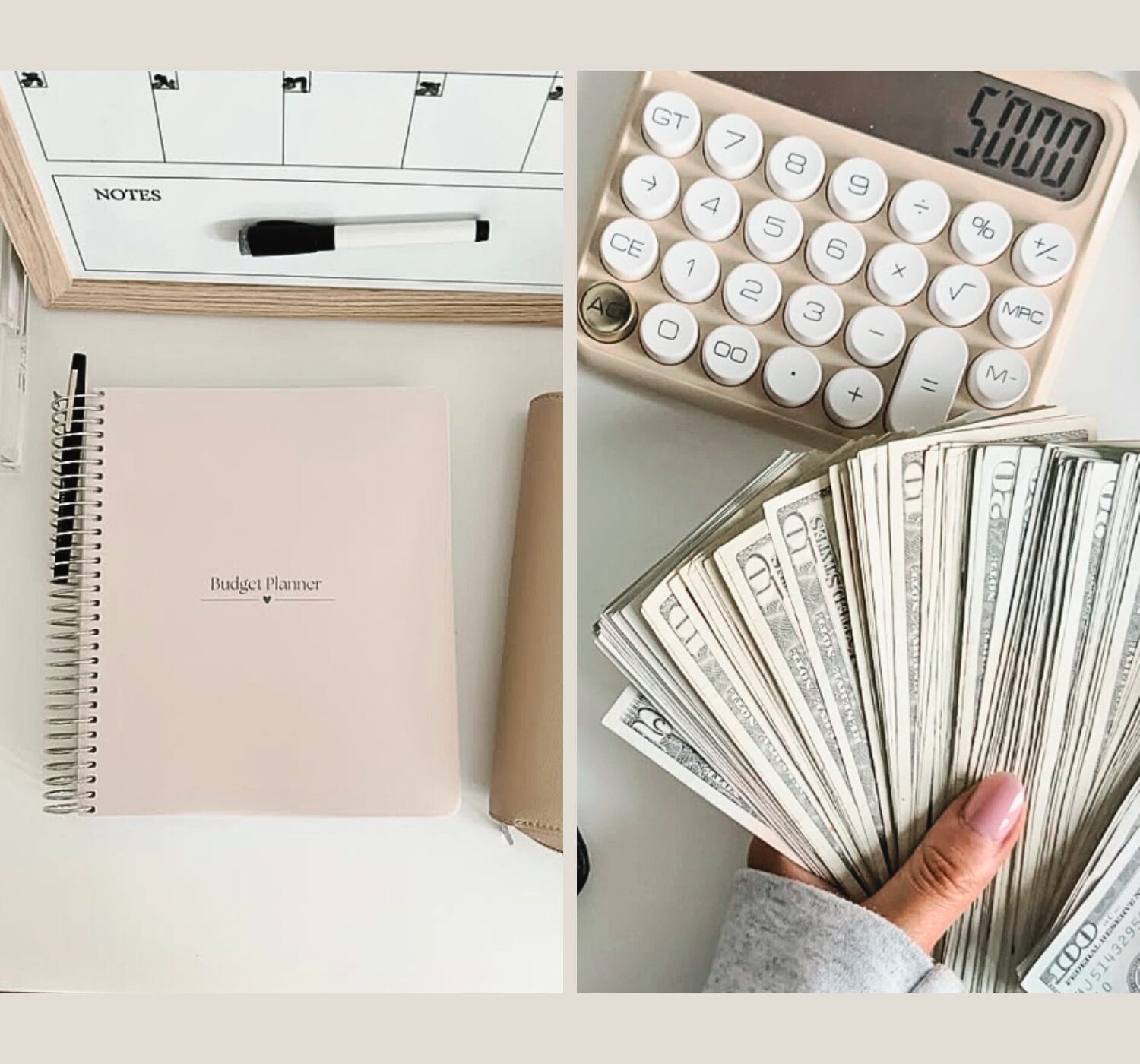
This is the easiest budgeting method for people who hate budgeting. It’s a simple, flexible way to manage your money without stress, strict rules, or complicated spreadsheets.
April 24, 2026 | The Unscripted Femme
If you’ve ever tried to make a budget and quickly gave up two days later… you’re not alone.
Budgeting often feels like something you should be good at, but somehow it turns into complicated spreadsheets, strict rules, and guilt when life doesn’t go perfectly.
I used to think budgeting just wasn’t for me—like I was the kind of person who would always fall off track after a few days.
But here’s the softer truth: you don’t need a perfect budget. You just need a simple system you can actually live with.
And if you’ve been searching for an easy budgeting method that doesn’t feel overwhelming or restrictive—this is it.
In This Article: The Easiest Budgeting Method for Beginners
Why This Is the Easiest Budgeting Method
Most budgeting methods fail because they rely on perfection—and real life just doesn’t work like that.
This simple budgeting method works because it focuses on clarity, not control. Instead of tracking every dollar, you’re creating a flexible structure that fits your actual lifestyle.
If you’ve been searching for an easy way to budget money without feeling restricted, this approach keeps things simple, realistic, and sustainable.
How to Budget Money for Beginners (The Simple Way)
So what does that actually look like in real life?
Before we get into the steps, here’s what makes this method feel so much easier to stick with:
You’re not:
- tracking every dollar
- creating 15+ categories
- or trying to be perfect every single day
Instead, you’re:
- simplifying your spending
- giving your money clear direction
- and creating a system that actually fits your life
And honestly, this alone can make a budget feel so much easier.

The Simple Monthly Budget (No-Stress Version)
STEP 1: Start with your monthly income
Write down your after-tax monthly income:
Monthly income: $ ________
(If your income varies, use your lowest realistic month so you don’t overcommit.)
This part might feel obvious, but having a clear starting number makes everything else feel more grounded.
STEP 2: The 3-Part Split
Now divide your money into just 3 simple categories:
1. Essentials — 50–60%
Life basics that keep everything running
Use this for:
- Rent / housing
- Bills (phone, internet, utilities)
- Groceries
- Transport
- Minimum debt payments
Formula: Income × 0.55
Essentials total: $ ________
Think of this as the part of your budget that keeps your life steady and supported.
2. Life — 25–35%
Your real-life spending—without guilt
Use this for:
- Eating out / coffee
- Shopping
- Clothes
- Fun money
- Small, everyday treats
This is where most budgets feel restrictive—so we intentionally keep it flexible.
Formula: Income × 0.30
Life total: $ ________
This is the category that tends to trip people up, because it’s where real life happens—coffee runs, last-minute plans, little things that make your day feel better.
Related: And sometimes, it’s not just about spending on yourself—it’s also about helping others. If you’ve ever felt unsure about how to support someone financially without hurting your own situation, you might find this helpful: how to help someone with financial problems without giving money
3. Future You — 10–20%
The calm, steady category
Use this for:
- Savings
- Emergency fund
- Extra debt payments
- Future goals
Even small amounts here make a difference over time.
Formula: Income × 0.15
Future You total: $ ________
This is less about pressure, and more about giving your future self a bit of breathing room.
STEP 3: Your Full Budget Snapshot
| Category | % Range | Your Amount |
|---|---|---|
| Essentials | 50–60% | $_____ |
| Life | 25–35% | $_____ |
| Future You | 10–20% | $_____ |
Why This Budget Actually Works
And if you’ve ever felt like budgeting just doesn’t stick, this is usually why…
The reason this budgeting method feels different is because it removes the pressure to be perfect.
You’re not expected to track every expense or follow strict rules. Instead, you’re creating gentle boundaries that guide your spending without making you feel restricted.
This is what makes it one of the easiest budgeting methods for beginners—and for anyone who’s tired of starting over every month.
Related: Budgeting shouldn’t really be about restriction—it’s about being more intentional with your money and how you live. If you’re trying to be more mindful overall, this intentional living checklist pairs really well with this approach.
STEP 4: The “No Overthinking” Rule
Once your money is split:
Essentials = automatic
Life = flexible (but capped)
Future You = non-negotiable (even if small)
That’s it.
No tracking every coffee.
No complicated spreadsheets.
No starting over every week.
You don’t need to do more—you just need something you can stick with.
If your income feels tight (important)
You can adjust your percentages like this:
- Essentials: 60–70%
- Life: 15–25%
- Future You: 5–15%
Even if your savings feel small, you’re still building a habit that matters—and that’s what actually creates change over time.
This isn’t about suddenly being perfect with money or having everything figured out overnight.
It’s just about getting to a place where things feel a little more under control… a little less stressful… and a bit more intentional.
Because when your money feels calmer, life in general starts to feel calmer too.
You don’t need to change everything all at once. You just need to start small and keep it simple.
And honestly, that’s usually what ends up sticking.
References
Cover photo by christina_loves_planning_ and the.aesthetic.dollar.
Discover more from The Unscripted Femme
Subscribe to get the latest posts sent to your email.